The portfolio is the proof.
I build the infrastructure design teams run on, foundations, tokens, components, patterns, and the governance that keeps them alive. This site is built the same way: explore it and you're using a small design system, not just reading about one.
Case studies
Three systems, three different constraints.
-
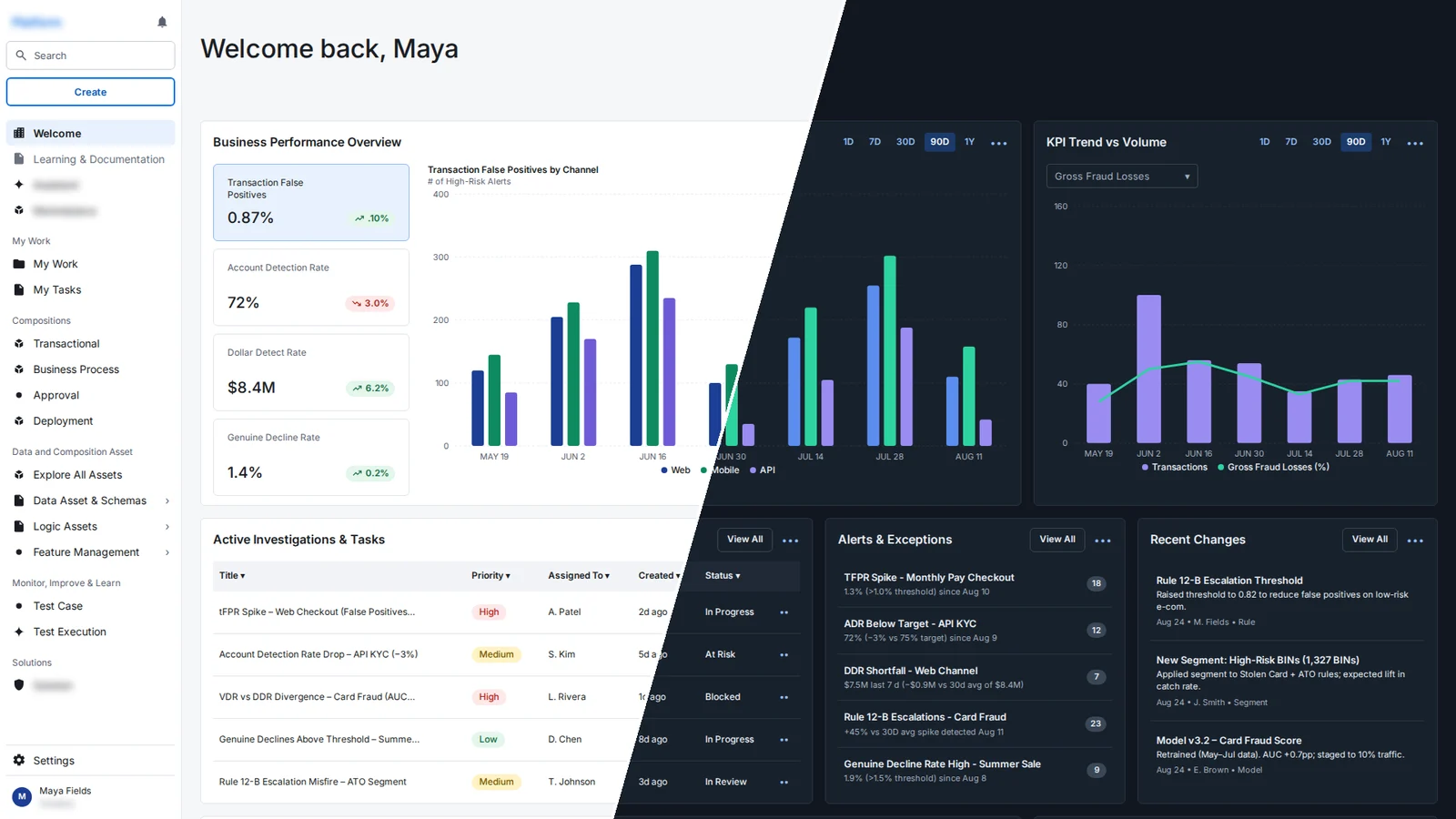 FICO
Governance at platform scale
A half-built system, no accessibility audit, and AI arriving with no standard.
71 components, 36+ domains, 24 products on the standard
View case study
-
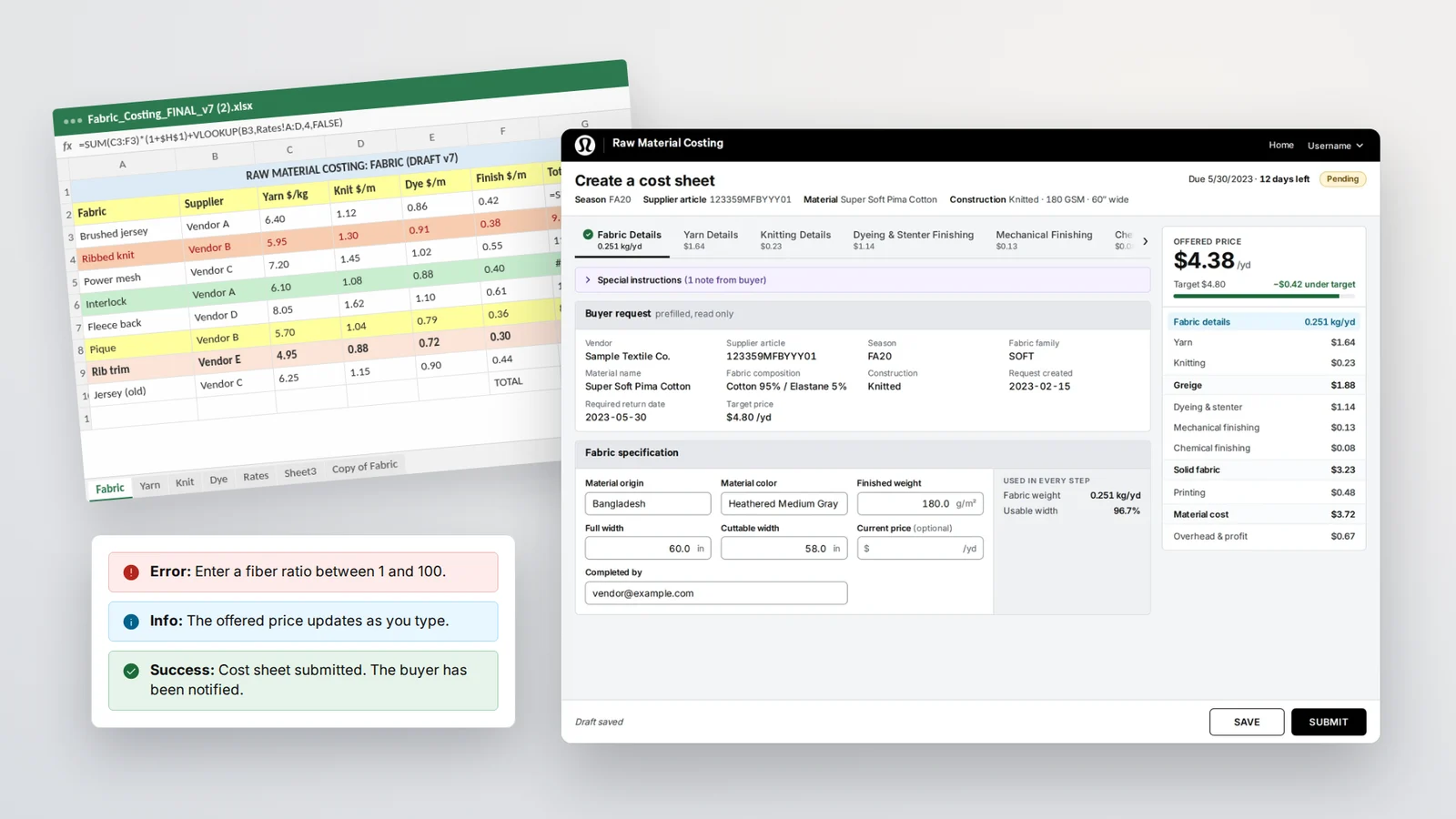 lululemon
Canvas: from spreadsheets to a shared system
20+ teams building tools in Excel, one month to ship a system, and a rebrand six months in.
78 components, 8 teams, 500+ vendors
View case study
-
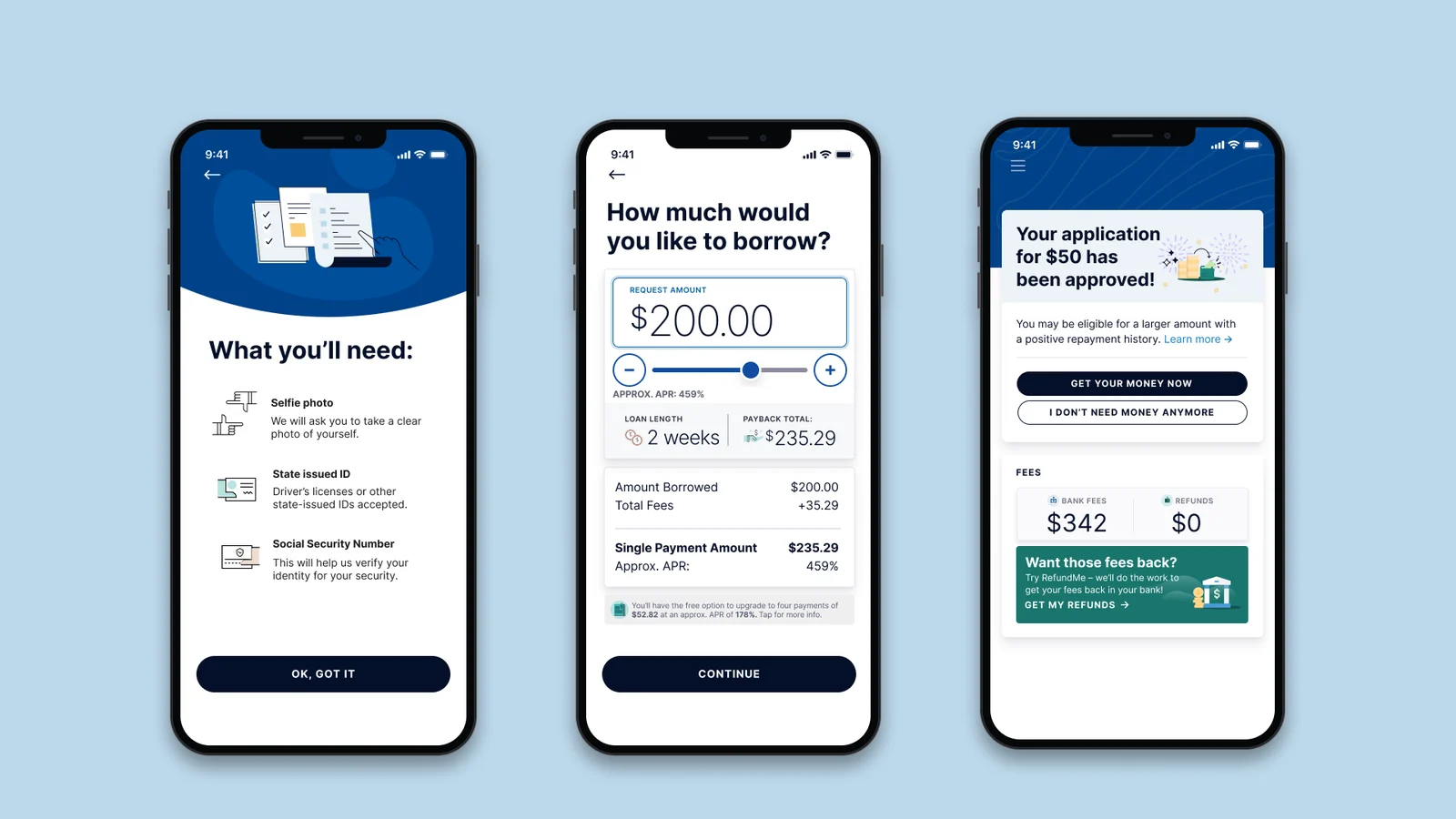 Possible Finance
A lending app designed around its real audience
Just past the Series B, no real system, and customers who were stressed, busy, and often interrupted.
31 components, 4 core flows, 80 surfaces rebranded
View case study
About
15+ years in, still the same job at every scale: make the right way the easy way.
How I think
Systems first. A one-off fix that doesn't generalize is a future inconsistency waiting to happen, I look for the pattern behind the request.
How I work
In the open, with a paper trail. Decisions get logged with their alternatives and tradeoffs so the next person doesn't have to re-litigate them.
What I care about
Accessibility as a default, not a checklist pass at the end. If it's not accessible, it's not done.
What I'm curious about
Where AI actually helps a design systems workflow versus where it just adds a review step, I'm running that experiment in production right now.
Principle 01 · System map
A design system is a product. Its users are other designers and engineers.
Five layers make up the core stack. Six capabilities cut across every layer. Click a node to see how it works, and where the proof lives.
Core layers
Capabilities across every layer
Select a layer or capability to see how it works and where the proof lives.
System playground
These aren't screenshots of a token system, they're the actual custom properties this page runs on, live.
Live preview surface
Principle 02 · Component inspector
Accessibility is a design constraint, not a QA step.
Every component in this system ships with real states, not just a happy path.
Principle 03 · Design ↔ code
If the documentation is wrong, the system is wrong, no matter what the code does.
Change one token and watch it propagate, through the demo elements and through the code that would ship it.
Principle 04 · AI + design systems
Governance isn’t bureaucracy, it’s the thing that makes speed sustainable.
At FICO, an embedded AI workflow drafts the first pass of documentation, audits, and release notes. Every output is 100% human-reviewed before it ships, the system amplifies judgment, it doesn't replace it.
Component docs
AI drafts anatomy, usage, and prop tables from the component's source and Figma metadata; I edit for accuracy and voice before publishing.
Accessibility audits
AI runs a first-pass audit against WCAG criteria on new components; a human confirms every flagged issue and severity before it's logged.
Release notes
AI summarizes what changed across a release from commit and PR history; I rewrite for the audience, most consuming teams don't read raw changelogs.
Contact
San Diego, CA, open to Staff / Principal / Design Systems Lead / Director-level roles.